Mood swings, cramps, exhaustion and anxiety before your period can be difficult enough. But when do premenstrual symptoms become something more? Here’s what to know about PMS vs PMDD, how to recognize the differences and when to seek support.
If you’ve ever found yourself crying over something small, feeling unusually irritable or struggling to concentrate in the days before your period, you’ve probably wondered whether your hormones were involved.
Premenstrual symptoms are common. But that doesn’t mean every experience is the same—or that symptoms affecting your quality of life should simply be accepted as part of being a woman.
For some, the days leading up to menstruation bring manageable discomfort. For others, the emotional and physical changes can interfere with relationships, work, school and everyday responsibilities.
That’s where understanding PMS vs PMDD becomes important.
Premenstrual syndrome (PMS) and premenstrual dysphoric disorder (PMDD) share several symptoms, but they differ in their severity and impact on daily functioning. Understanding those differences can help you recognize patterns, communicate more clearly with your healthcare provider and find appropriate support.
1. PMS vs PMDD: What’s the Difference?
PMS and PMDD are both associated with the menstrual cycle, particularly the luteal phase—the period between ovulation and menstruation.
During this phase, estrogen and progesterone levels change. These normal hormonal fluctuations can influence physical and emotional wellbeing.
However, PMDD isn’t necessarily caused by having unusually high or low hormone levels. Research suggests that people with PMDD may experience an increased sensitivity to normal hormonal changes, involving brain systems that regulate mood and emotional responses.
What is PMS?
Premenstrual syndrome refers to a collection of recurring physical, emotional and behavioural symptoms that appear before menstruation and generally improve shortly after bleeding begins.
Common PMS symptoms include:
-
Bloating and breast tenderness
-
Abdominal cramps or headaches
-
Fatigue and changes in sleep
-
Irritability or mood changes
-
Food cravings and appetite changes
-
Difficulty concentrating
Symptoms vary widely. Some people notice only mild discomfort, while others experience symptoms that interfere with everyday activities.
What is PMDD?
Premenstrual dysphoric disorder is a more severe, clinically recognized condition involving recurring emotional and physical symptoms associated with the menstrual cycle.
Unlike typical PMS, PMDD involves substantial mood-related symptoms and significant distress or disruption to daily functioning.
These may include intense irritability, anxiety, depressed mood, emotional sensitivity, difficulty concentrating and feeling overwhelmed.
Importantly, PMDD is not simply PMS with worse cramps. Its defining features include severe emotional symptoms and their effects on daily life.
PMDD is estimated to affect a minority of people who menstruate. Exact prevalence estimates vary depending on the diagnostic criteria and whether symptoms have been confirmed through prospective tracking.
PMS vs PMDD: Comparison Table
| Feature | PMS | PMDD |
|---|---|---|
| Timing | Usually appears during the luteal phase | Typically appears during the final week before menstruation |
| Emotional symptoms | Irritability, mood changes, tension | More severe mood changes, irritability, anxiety or depressed mood |
| Physical symptoms | Bloating, breast tenderness, headaches, cramps | May include similar physical symptoms |
| Daily functioning | Can range from mild to disruptive | Causes significant distress or impairment |
| After menstruation begins | Symptoms generally improve | Symptoms usually improve within several days |
| Diagnosis | Based on recurring symptom patterns and clinical assessment | Requires specific diagnostic criteria, usually supported by daily symptom tracking across at least two cycles |
| Treatment | Depends on severity and symptoms | May involve evidence-based psychological and medical treatments |
The key distinction: Both conditions deserve attention when symptoms affect your wellbeing. PMDD, however, has specific diagnostic criteria that emphasize severe mood-related symptoms and functional impairment.
Sources: Office on Women’s Health — PMS; Johns Hopkins Medicine — PMDD.
2. Signs Your Premenstrual Symptoms May Need More Attention
One of the biggest misconceptions about menstrual health is that symptoms must be endured simply because they’re common.
But common doesn’t necessarily mean harmless or manageable.
Your emotional symptoms feel unusually intense
Many people experience mood changes before menstruation. With PMDD, emotional symptoms can be particularly distressing.
You might notice that ordinary frustrations feel much harder to manage, that you’re unusually sensitive to interpersonal conflict or that anxiety becomes significantly more intense during a predictable part of your cycle.
These experiences don’t automatically indicate PMDD. Stress, existing mental health conditions and other health concerns can also affect mood.
What matters is the recurring pattern, intensity and impact.
Your symptoms interfere with everyday life
Consider whether premenstrual symptoms repeatedly make it difficult to:
-
Concentrate at work or school
-
Maintain normal social activities
-
Manage everyday responsibilities
-
Sleep adequately
-
Navigate relationships
-
Participate in activities you usually enjoy
If you regularly need to rearrange your life around your premenstrual symptoms, that’s worth discussing with a healthcare professional.
Your symptoms follow a predictable monthly pattern
Timing is one of the most useful clues.
PMDD symptoms generally develop during the final week before menstruation, begin improving within a few days after bleeding starts and become minimal or absent in the week following menstruation.
A recurring symptom-free interval is an important part of the diagnostic picture.
If symptoms continue throughout the month but worsen before menstruation, a clinician may consider premenstrual exacerbation—when an existing condition becomes more severe during a particular phase of the menstrual cycle.
That distinction matters because the most appropriate treatment may differ.
Your physical symptoms deserve attention, too
Painful cramps, headaches, breast tenderness and other physical symptoms can occur with PMS and PMDD.
But severe menstrual pain shouldn’t automatically be attributed to either condition.
For example, endometriosis, adenomyosis and other gynecological conditions can cause significant menstrual pain and may require a different approach to diagnosis and treatment.
If pain is severe, worsening, unusual or interfering with your daily activities, seek medical assessment rather than assuming it’s normal PMS.
3. How to Track Your Cycle and Find the Right Support
If you’re wondering whether your symptoms are PMS, PMDD or something else, one of the most helpful first steps is to track what happens throughout your menstrual cycle.
Not just when your period starts, but how you feel on the days leading up to it—and afterward.
Why symptom tracking matters
PMDD cannot be confirmed through a single blood test or hormone panel. Diagnosis relies heavily on identifying a consistent pattern of symptoms over time.
Healthcare professionals typically recommend daily symptom tracking across at least two menstrual cycles to help distinguish PMDD from other conditions. Tracking can also help you identify whether symptoms disappear after menstruation begins or remain present throughout the month.
Your menstrual symptom-tracking checklist
For at least two cycles, record the following each day:
| What to track | What to write down |
|---|---|
| Cycle day | First day of bleeding, period duration and estimated cycle phase |
| Mood | Irritability, anxiety, sadness or emotional sensitivity |
| Physical symptoms | Cramps, headaches, bloating, breast tenderness or fatigue |
| Sleep | Sleep duration, quality and changes in sleep patterns |
| Daily functioning | Whether symptoms affected work, school, relationships or activities |
| Symptom severity | Rate each symptom from 0 (none) to 5 (severe) |
For a more structured approach, the International Association for Premenstrual Disorders provides a free, clinically informed resource:
Download the free IAPMD Premenstrual Disorders Symptom Tracker.
The tracker incorporates the Daily Record of Severity of Problems (DRSP), a validated tool used in PMDD assessment.
When should you talk to a healthcare professional?
You don’t need to wait until you’ve completed two cycles of tracking to ask for help.
Consider booking an appointment if your symptoms repeatedly interfere with daily life, cause substantial emotional distress, disrupt your relationships or become increasingly difficult to manage.
You should also seek assessment for severe menstrual pain, unusual bleeding or symptoms that persist outside the premenstrual phase.
Bring your tracking notes and explain how the symptoms affect your everyday life. That information can be more useful than simply saying your PMS feels unusually bad.
4. What Actually Helps With PMS and PMDD Symptoms?
The right approach depends on your symptoms, their severity and whether you’re experiencing PMS, PMDD or another condition.
Fortunately, there are evidence-based treatment options.
For emotional symptoms
For people diagnosed with PMDD, healthcare professionals may recommend treatments such as cognitive behavioural therapy (CBT), certain antidepressant medications or hormonal treatments.
Selective serotonin reuptake inhibitors (SSRIs), for example, are among the established medical treatments for PMDD.
Treatment decisions should be individualized, particularly when someone has other medical conditions or takes additional medications.
The American College of Obstetricians and Gynecologists (ACOG) recommends considering several treatment approaches, including medication, psychological therapies and supportive lifestyle strategies.
For menstrual cramps and physical discomfort
Pain management deserves attention, whether or not PMDD is involved.
For typical menstrual cramps, approaches that may help include:
Heat therapy: Applying a heating pad or warm compress to the lower abdomen may help reduce discomfort.
Gentle movement: Walking, stretching or other comfortable activities may improve wellbeing and help some people manage symptoms.
Appropriate pain relief: Anti-inflammatory medications can be effective for menstrual cramps, but they aren’t suitable for everyone. A pharmacist or healthcare professional can advise on appropriate options.
Persistent or severe pain warrants further investigation, especially when it interferes with everyday activities.
What about CBD and menstrual pain?
When menstrual discomfort arrives, taking care of yourself doesn’t have to mean relying on a single solution. Sometimes it’s about combining different forms of support: a heating pad, a slower evening, gentle movement, enough rest and the care recommended by your healthcare professional.
CBD has become part of the wider conversation around holistic wellness, particularly because researchers are studying how cannabinoids interact with the body’s endocannabinoid system, which is involved in processes such as pain signalling.
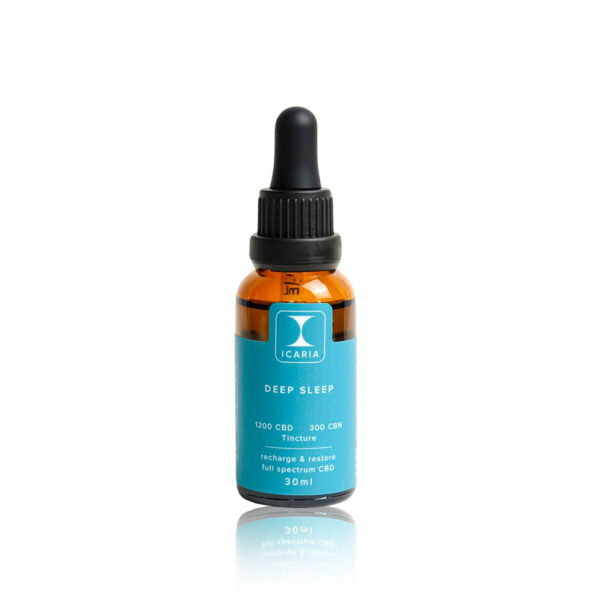
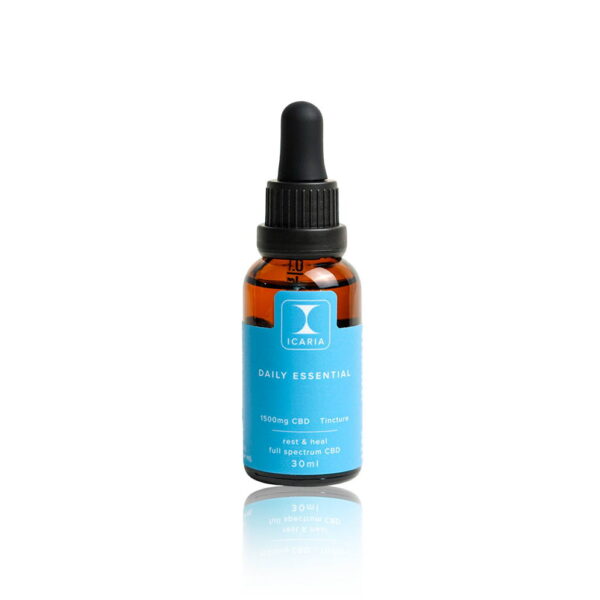
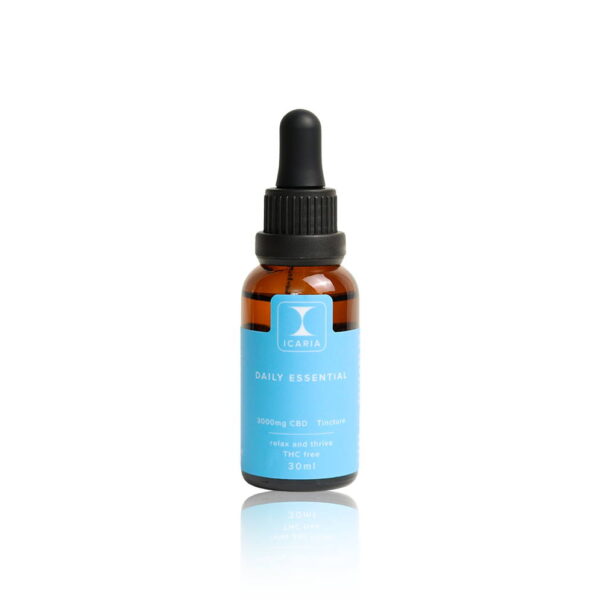
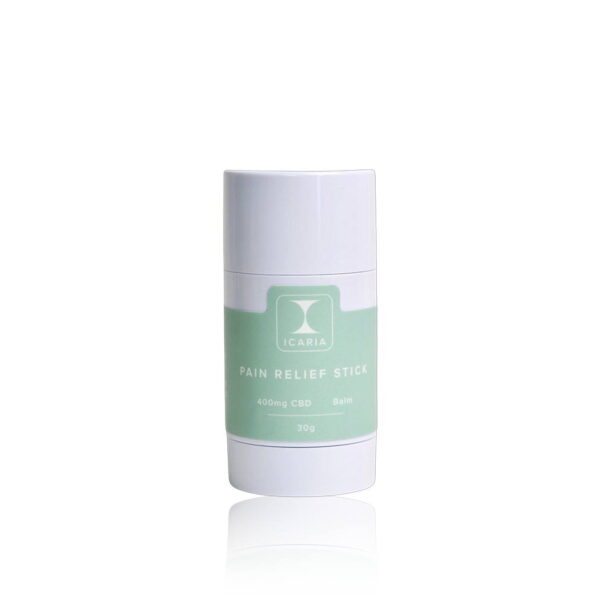
At ICARIA, we recognize that women’s wellness needs aren’t one-size-fits-all. That’s why our CBD collection includes different formats designed around different preferences and routines:
-
Pain Relief CBD Oil: An oral CBD oil format for those who prefer tinctures as part of their wellness routine.
-
Pain Relief CBD Stick: A topical format for people who prefer applying a product directly to a specific area.
-
Pain Relief CBD Roller: A portable topical format designed for convenient application while away from home.
These options offer different ways of incorporating CBD into a routine, although clinical evidence has not established that they relieve menstrual cramps or treat PMS or PMDD.
The bigger picture? Holistic menstrual wellness means paying attention to what your body needs, making informed choices and knowing when symptoms deserve medical attention.
For ICARIA, that means supporting conversations about women’s wellbeing while being transparent about what CBD research has—and hasn’t—established.
Small habits can support your wellbeing
Lifestyle changes won’t necessarily resolve PMDD, but they can complement appropriate care.
A consistent sleep schedule, regular meals, enjoyable physical activity and practical stress-management techniques may support overall wellbeing.
It can also help to recognize when you need to adjust your schedule, ask for support or give yourself more flexibility.
The goal isn’t to build a perfect wellness routine. It’s to understand your symptoms and find support that makes daily life more manageable.
Conclusion: Your Premenstrual Symptoms Deserve to Be Taken Seriously
Understanding PMS vs PMDD isn’t about putting a label on every mood change or uncomfortable period.
It’s about recognizing that menstrual symptoms exist on a spectrum—and that symptoms affecting your relationships, emotional wellbeing or ability to function deserve attention.
PMS can be uncomfortable and disruptive. PMDD is a more severe condition with specific diagnostic criteria and established treatment options.
The most useful starting point is to pay attention to your symptoms, identify their timing and communicate what you’re experiencing.
And remember: you don’t have to prove that your symptoms are severe enough to deserve support.
Whether you’re dealing with physical discomfort, recurring emotional changes or uncertainty about what’s happening with your body, your experience is worth discussing with a healthcare professional.