If you’re wondering why you’re still tired after 8 hours of sleep, you’re not alone—and the answer might have less to do with how long you’re sleeping than you think.
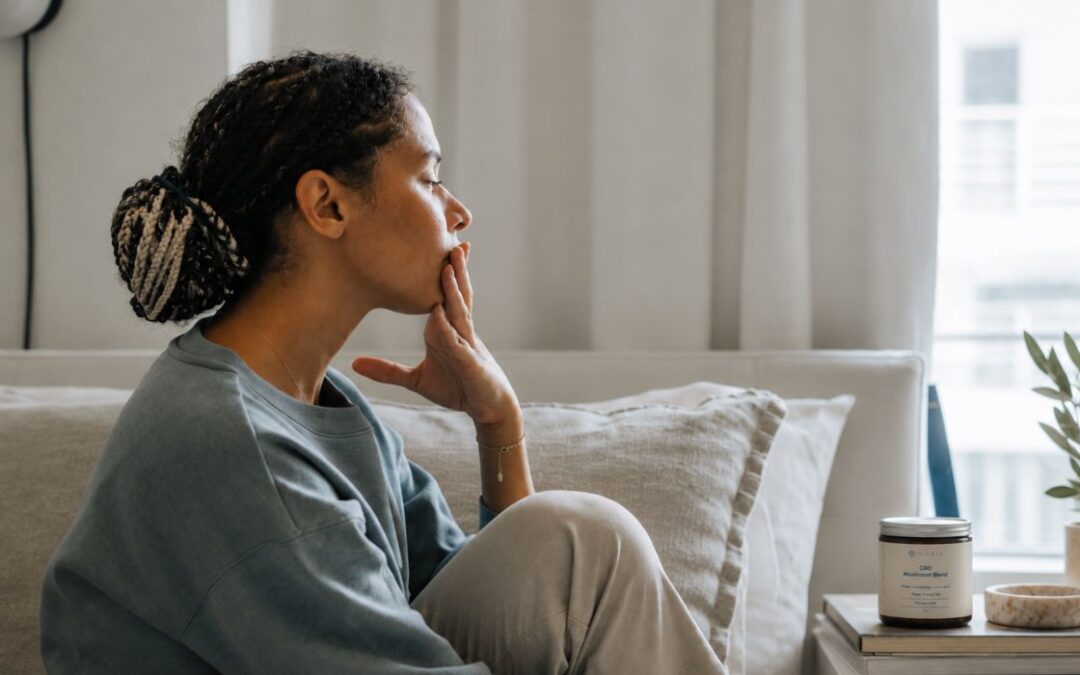
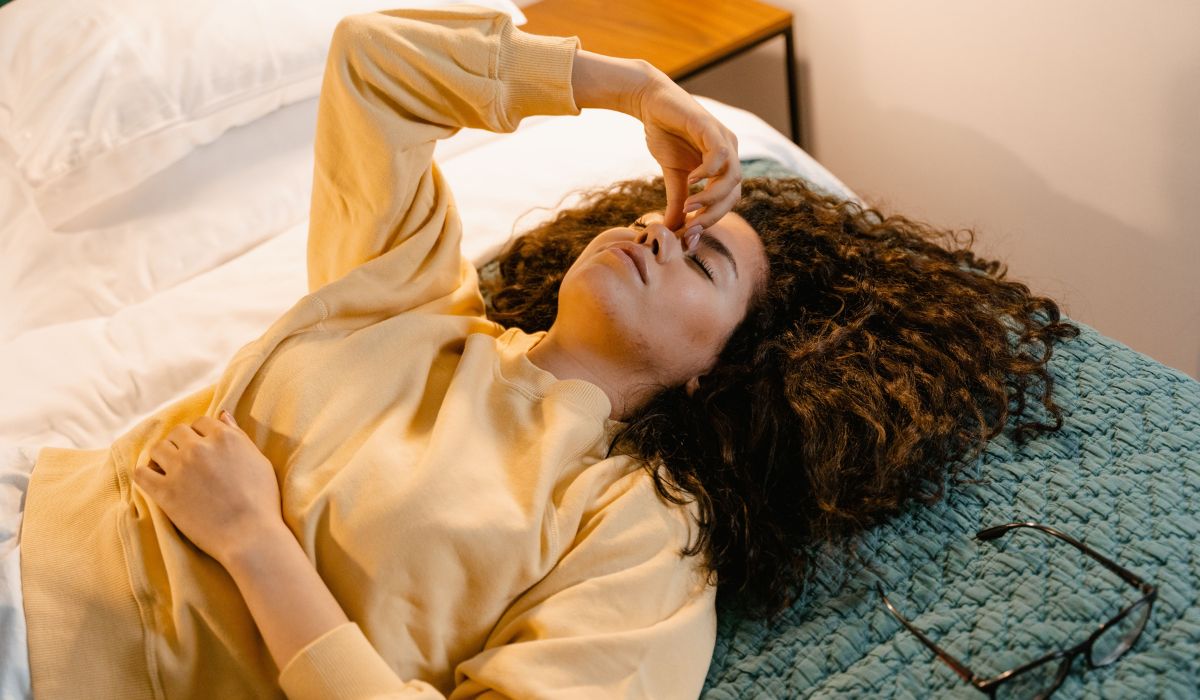
You know those mornings when your alarm goes off, you look at the clock, and realize you’ve technically had a full night’s sleep? Eight whole hours. You did everything you were supposed to do. And yet, somehow, getting out of bed feels like the hardest part of your day.
By lunchtime, you’re already thinking about your next coffee. By the afternoon, your concentration has disappeared. And by the time you get home, you barely have enough energy to make dinner, let alone do something for yourself.
Sound familiar?
We’re constantly reminded that sleep is important, but what nobody really explains is that getting enough sleep and getting restorative sleep aren’t necessarily the same thing.
And for women, the picture can be even more complicated. Hormonal changes, stress, demanding schedules, and certain health conditions can all contribute to feeling exhausted, even after a seemingly good night’s rest.
So, before you blame yourself for being tired or decide you simply need another supplement, let’s talk about what might actually be happening.
Because under our October theme, The Care You Deserve, there’s something worth remembering: your health deserves more than whatever energy you have left.
1. Why Am I Still Tired After 8 Hours of Sleep? Understanding Sleep Quality vs. Quantity
First, let’s clear up a common misconception: eight hours isn’t a magical number that guarantees you’ll wake up refreshed.
According to the Centers for Disease Control and Prevention (CDC), most adults need at least seven hours of sleep per night. But individual sleep needs vary, and the quality of that sleep matters just as much as the number of hours.
Think about it this way. Spending eight hours in bed doesn’t necessarily mean you were asleep for eight hours. Maybe you took forty minutes to fall asleep, woke up several times, or spent the last hour drifting in and out of sleep.
Sleep also isn’t one continuous state. Throughout the night, your brain cycles through different sleep stages, including REM and non-REM sleep. These stages support important functions such as memory, learning, and physical recovery.
If your sleep is frequently interrupted, you may not feel rested even when your bedtime and wake-up time suggest you’ve slept enough.
There’s also a difference between feeling sleepy and feeling fatigued. Sleepiness is the sensation that you could fall asleep. Fatigue is a broader feeling of exhaustion or reduced energy that doesn’t always disappear after resting.
That distinction matters because persistent fatigue can sometimes have causes beyond sleep itself.
2. 7 Reasons You’re Still Tired After a Full Night’s Sleep
1. Your sleep is being interrupted without you realizing it
Not every nighttime awakening is memorable.
Noise, temperature, discomfort, nighttime bathroom trips and certain sleep disorders can interrupt your rest. You might wake up feeling exhausted without remembering exactly what happened overnight.
If you regularly wake up tired despite sleeping enough, it’s worth considering whether your sleep is genuinely uninterrupted.
2. Stress is following you into bed
Have you ever been physically exhausted but mentally unable to switch off?
You finish work, make dinner, get into bed, and suddenly your brain decides it’s the perfect moment to review everything you haven’t accomplished.
Stress can make it harder to fall asleep and stay asleep. And even when you’re sleeping, persistent worries can leave you feeling as though you’ve never properly recovered from the previous day.
According to the NHS, stress, depression and difficult life circumstances are among the common contributors to ongoing tiredness.
Sometimes the problem isn’t that you’re doing too little to take care of yourself. It’s that you’re carrying too much.
3. Your hormones may be affecting your sleep
Women’s sleep can change throughout different hormonal stages of life.
Some women notice disrupted sleep around their menstrual cycle. Pregnancy and the postpartum period can also affect rest, while perimenopause and menopause may bring sleep disturbances, including nighttime hot flashes.
These changes don’t affect everyone in the same way, but they’re worth considering when tiredness appears alongside other hormonal symptoms.
If your fatigue follows a noticeable pattern or has become significantly worse, bring it up with your healthcare provider.
4. You could have an underlying sleep disorder
One important condition that often goes unrecognized in women is sleep apnea.
Sleep apnea involves repeated interruptions in breathing during sleep. These disturbances can affect sleep quality and cause significant daytime tiredness.
And here’s something many women don’t know: sleep apnea doesn’t always look like the stereotypical image of someone snoring loudly.
The National Heart, Lung, and Blood Institute explains that women may experience symptoms including fatigue, insomnia, morning headaches, anxiety, and frequent nighttime awakenings. Some women don’t report noticeable snoring at all.
Persistent unrefreshing sleep deserves attention, especially if you’re also experiencing these symptoms.
5. Iron deficiency or another medical condition could be contributing
If you’re always tired despite sleeping, the answer might not be in your bedroom.
Iron deficiency anaemia, thyroid conditions, diabetes and other health problems can cause fatigue.
For women who menstruate, heavy periods can be an important clue because blood loss may contribute to iron deficiency.
The NHS identifies iron deficiency anaemia and thyroid problems among the medical conditions that can cause ongoing tiredness. Depending on your symptoms, a healthcare professional may recommend blood tests or other investigations.
This is why taking random supplements without understanding the cause isn’t always helpful. More isn’t necessarily better, and some supplements can cause problems when they’re unnecessary.
6. Your sleep schedule is inconsistent
Sleeping eight hours on Tuesday doesn’t necessarily make up for several nights of insufficient or irregular sleep.
Your body has an internal timing system known as the circadian rhythm, which helps regulate when you feel awake and when you feel sleepy.
Light exposure, bedtime consistency and daily routines all help influence that rhythm.
If you’re going to bed at 10 p.m. during the week but staying awake until 2 a.m. on weekends, you may find it harder to feel refreshed when Monday arrives.
Consistency often matters more than creating the perfect bedtime routine.
7. You’re not getting enough recovery during the day
Sometimes exhaustion reflects what your days demand of you.
You might be sleeping enough but spending every waking hour working, commuting, caregiving, managing household responsibilities, or mentally preparing for tomorrow.
A full night’s sleep is important, but it doesn’t automatically resolve emotional overload, chronic stress or the effects of an underlying health condition.
Rest isn’t only something you do when your head hits the pillow.
It’s also the space you create throughout your day to eat properly, move, connect with people, and recover from constant demands.
3. How to Wake Up Feeling More Rested: Habits That Actually Help
Once you’ve considered the possible causes of your fatigue, the next question is usually: Okay, so what can I actually do?
Start with the basics before introducing anything complicated.
Try keeping your sleep and wake times relatively consistent, including on weekends. Make your bedroom comfortable, quiet, and dark. Get some natural daylight during the day, and pay attention to whether afternoon caffeine is affecting your ability to fall asleep.
Movement can help too. You don’t need an intense workout to benefit from being physically active. A walk outside or a gentle exercise session can become part of a routine that supports your overall well-being.
And give yourself a proper transition between your working day and bedtime.
If your evenings consist of answering emails until 10 p.m., scrolling through your phone and immediately expecting your brain to fall asleep, you may benefit from creating a little breathing room.
A warm shower, reading, skincare, gentle stretching, or simply sitting quietly can become signals that your day is winding down.
What about CBD and sleep?
Sometimes, creating a better evening routine also means exploring different ways to support your overall sense of relaxation and well-being. And that’s where CBD enters the conversation.
CBD, or cannabidiol, interacts with the body’s endocannabinoid system, a complex network involved in regulating several physiological processes, including sleep, mood and responses to stress.
Researchers have been exploring CBD’s benefits for sleep, particularly how it may influence factors such as stress and anxiety that can make restful nights more difficult. While the science is still evolving, it’s an interesting area of research for anyone curious about the connection between relaxation and sleep quality.
For adults considering CBD as part of their wellness routine, the important thing is to see it as one piece of a bigger picture. Consistent sleep schedules, a comfortable bedroom, regular movement and moments of relaxation all contribute to creating an environment that supports better rest. CBD isn’t a replacement for these foundations or for medical care, but if you find yourself wanting to try it, make sure that it’s a premium CBD formula made in Canada with the highest-quality ingredients.
And perhaps most importantly, don’t turn better sleep into another thing you have to perform perfectly.
Sometimes, the most meaningful change is simply giving yourself permission to slow down, establish an evening ritual you genuinely enjoy, and make rest a priority rather than an afterthought.
4. When to See a Doctor About Constant Fatigue
Here’s something I wish more women heard: being constantly exhausted isn’t something you automatically have to accept as normal.
Yes, life gets busy. Yes, stress happens. And yes, everyone has mornings when they’d rather stay in bed.
But if you’re regularly waking up tired despite getting enough sleep, it’s worth looking into.
The NHS recommends contacting a healthcare professional when tiredness has lasted several weeks without a clear explanation, is affecting daily life or comes with other symptoms.
Consider making an appointment if you’re struggling to stay awake during the day, experiencing persistent concentration difficulties, waking with headaches, noticing significant changes in your mood or being told that your breathing seems interrupted during sleep.
Before your appointment, it can help to keep a simple record of your sleep schedule, daytime energy, symptoms and any medications or supplements you’re taking.
You don’t need to diagnose yourself. You can simply say, “I’ve been sleeping around eight hours, but I’m still exhausted most days. I’d like to understand why.”
Depending on your symptoms, your healthcare professional might explore sleep disorders, iron levels, thyroid function, medication effects or other possible explanations.
And if you’re so sleepy that you struggle to stay alert while driving, don’t try to push through it. Avoid driving until the issue has been addressed.
Getting answers is part of taking care of yourself.
Conclusion: You Deserve to Feel Rested, Not Just Get Through the Day
If you’ve been asking yourself, “Why am I still tired after 8 hours of sleep?”, the most important thing to understand is that fatigue isn’t always a sign that you’re doing something wrong.
Sometimes your sleep quality needs attention. Sometimes stress or an inconsistent schedule is contributing. And sometimes persistent exhaustion is your reason to have a conversation with a healthcare professional.
What you don’t need is another person telling you to simply wake up earlier, drink more coffee or become more productive.
You deserve to understand what’s happening in your body.
You deserve evenings that aren’t entirely consumed by responsibilities, mornings that don’t begin with exhaustion and the freedom to take your health seriously before things become unmanageable.
This October, The Care You Deserve is about recognizing that your well-being isn’t something to squeeze into the final minutes of your day.
Because getting through the day and actually feeling well are two very different things.
And you deserve more than simply getting through it.
Sources:
- Sleep apnea in women: The US National Heart, Lung, and Blood Institute explains why symptoms in women may include fatigue, headaches, and insomnia, even without obvious snoring.
-
Persistent fatigue: The NHS outlines common causes, medical conditions, and when to seek assessment.
-
CBD and sleep: Health Canada’s scientific advisory committee found insufficient evidence to establish CBD’s effectiveness for promoting sleep and identified potential medication interactions and fatigue as safety concerns.