So, you are currently packing for your next adventure, and you find yourself wondering what the summer must-haves are that you shouldn’t forget. Well, read carefully because this is your ultimate packing guide,
When we talk about getting ready for summer, our shopping lists tend to look pretty predictable: a new swimsuit, sunglasses, sandals, maybe a beach bag that somehow costs more than the entire outfit inside it. But somewhere between planning vacations and figuring out which weekends are still free, it’s worth asking a slightly different question: what do I actually need to feel good this summer?
Because summer can be wonderful and exhausting at the same time. We’re outside more, our routines change, weekends fill up quickly, and warmer temperatures place different demands on our bodies. The season that is supposed to feel carefree can suddenly become another three months we’re trying to optimize.
So, this year, let’s make the summer essentials list a little different. Alongside everything you need for the beach, think about what protects and supports you. Your skin needs protection from UV exposure. Your body needs hydration, rest, nourishment, and consistency. And your mind could probably benefit from occasionally being somewhere other than your phone.
If we’re surviving summer through wellness, these are three summer wellness essentials worth keeping close.
1. Sunscreen: Protect Your Skin All Summer Long
Let’s start with the one your older sister would absolutely remind you about before letting you leave the house: wear your sunscreen.
Sunlight isn’t the enemy. Spending time outdoors can be wonderful for our physical and mental wellbeing, and light exposure plays an important role in regulating our circadian rhythm. But ultraviolet radiation can damage skin cells, contribute to premature skin aging, and increase the risk of skin cancer over time.
According to the American Academy of Dermatology (AAD), everyone should protect exposed skin with a broad-spectrum, water-resistant sunscreen with an SPF of 30 or higher. “Broad-spectrum” matters because it means the sunscreen protects against both UVA and UVB rays. UVA is strongly associated with premature skin aging, while UVB is a major cause of sunburn; both can contribute to skin cancer.
And yes, sunscreen still matters when the sky isn’t perfectly blue. UV radiation can reach your skin on cloudy days too, which is why sun protection is better treated as an everyday summer habit rather than something reserved for beach vacations.
The part we often forget is reapplication. The AAD recommends reapplying sunscreen approximately every two hours while outdoors, as well as after swimming or sweating. If you’re spending the afternoon hiking, sitting on a patio, gardening, or walking around a new city, the sunscreen you applied at breakfast isn’t necessarily enough to carry you through the entire day.
Think beyond sunscreen, too. A hat, sunglasses, lightweight clothing, shade, and avoiding unnecessary exposure during periods of intense sun can all become part of your summer protection routine. None of this is about being afraid of sunshine. It’s about enjoying it while respecting what your skin needs.
2. Everyday Wellness: Support Your Body Through the Heat
Now let’s talk about something we tend to underestimate until we’re already feeling terrible: summer takes energy.
When temperatures rise, your body has to work to regulate its internal temperature. Sweating is one of the mechanisms it uses to cool itself, but sweating also means losing water and electrolytes. According to the U.S. Centers for Disease Control and Prevention (CDC), drinking enough fluids is particularly important in hot weather and during physical activity.
This is why hydration deserves a permanent place among your summer wellness essentials. Keep water nearby rather than waiting until you’re desperate for it. If you’re spending hours outdoors or exercising in the heat, pay attention to your body’s needs and take regular breaks somewhere cool. Foods with high water content, including watermelon, cucumber, tomatoes, berries, and citrus fruits, can also contribute fluid alongside the water you’re drinking.
But supporting your body isn’t only about hydration. Summer tends to throw our usual routines into chaos. We travel, eat at different times, sleep in unfamiliar places, stay up later because the sun is still out, and somehow convince ourselves that five consecutive weekends of plans count as relaxation.
They don’t always.
Your summer wellness routine can be incredibly simple: drink enough water, eat regularly, protect your sleep when you can, move your body in ways that feel good, and give yourself actual opportunities to recover. If you normally have established wellness or supplement routines, consistency can also help maintain a sense of normality when your schedule changes.
Most importantly, pay attention when your body asks you to slow down. Wellness isn’t about finding something that allows you to ignore exhaustion. It’s about getting better at noticing what you need before exhaustion takes over.
Sometimes the healthiest summer plan is the one you cancel.
3. A Good Book: Protect Your Peace
This one might sound less essential than sunscreen or hydration, but stay with me.
When was the last time you sat somewhere beautiful without simultaneously checking your phone?
Summer gives us so many opportunities to disconnect, yet we’ve become remarkably talented at staying connected to everything. We answer emails from the beach. We scroll while sitting beside the pool. We photograph sunsets before we’ve actually looked at them. Even our supposedly relaxing moments can become filled with notifications, news, and other people’s lives.
That’s why I’m officially adding a good book to the summer wellness essentials list.
Reading gives your attention somewhere else to go. Instead of bouncing between messages, videos, headlines, and notifications, you get to spend a little while inside one story or idea. Research suggests that leisure reading can be associated with relaxation and psychological wellbeing, although it’s better thought of as one helpful restorative activity rather than a magical treatment for stress.
The book itself doesn’t need to be educational, either. In fact, please don’t turn this into another self-improvement assignment unless that’s genuinely what you enjoy. Read the romance novel. Read the mystery everyone was talking about last year. Read the 600-page historical novel you’ve been carrying between apartments for three years.
The point is to create space where your brain isn’t expected to produce anything.
Try keeping a book in your summer bag and reaching for it during the moments when you’d normally reach for your phone. Ten minutes while you’re waiting for a friend. Half an hour beside the pool. A few chapters before bed. An afternoon under a tree when everyone else is busy.
Protecting your mind doesn’t mean shutting yourself away from the world. Sometimes it simply means being more intentional about what gets access to your attention.
Summer Wellness Doesn’t Need to Be Complicated
There’s a reason these three summer wellness essentials are so simple. Taking care of yourself shouldn’t require an entirely new personality every June.
We have a tendency to turn wellness into another project. Suddenly we need the perfect morning routine, twelve new supplements, an elaborate meal plan, 10,000 steps before breakfast, and a water bottle large enough to qualify as carry-on luggage.
You don’t.
A sustainable summer wellness routine is usually built from ordinary things done consistently. Protect your skin when you’re outside. Keep your body hydrated and nourished. Rest when you need rest. Make room for activities that quiet some of the noise in your head.
And remember that wellness should help you participate in your life, not distract you from it. The point of taking care of yourself this summer isn’t to win at health. It’s to have enough energy and presence to swim in the lake, stay out talking with friends, explore somewhere new, read on the beach, dance at the wedding, or spend an entire Sunday doing wonderfully little.
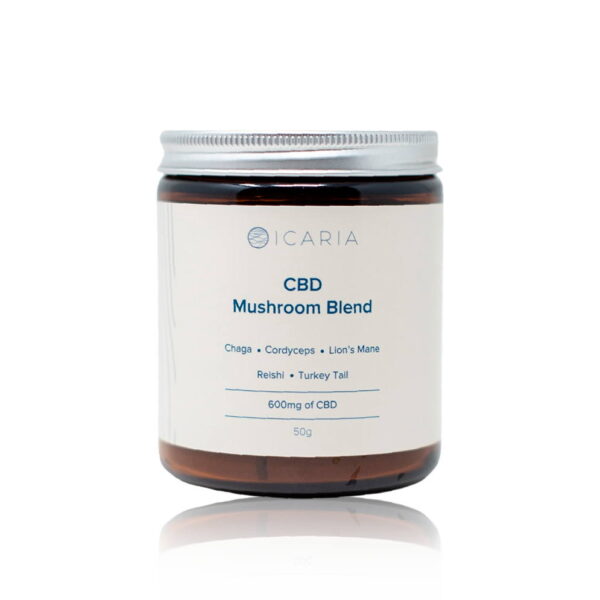
And here’s a little bonus tip: sometimes, even when we’re doing all the right things, our bodies appreciate some extra support. Summer can shake up our usual routines through travel, later nights, heat, changing eating habits, and packed social calendars. This is where some people choose to incorporate supplements into a broader wellness routine—not as shortcuts or miracle fixes, but as another tool alongside sleep, hydration, nourishing food, movement, and rest.
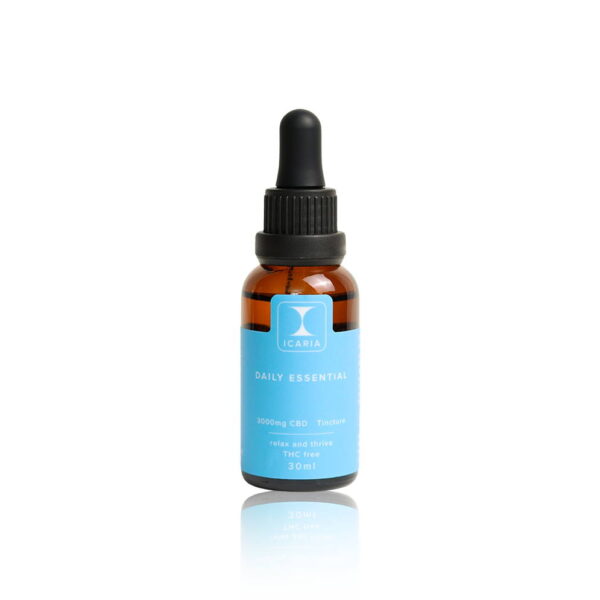
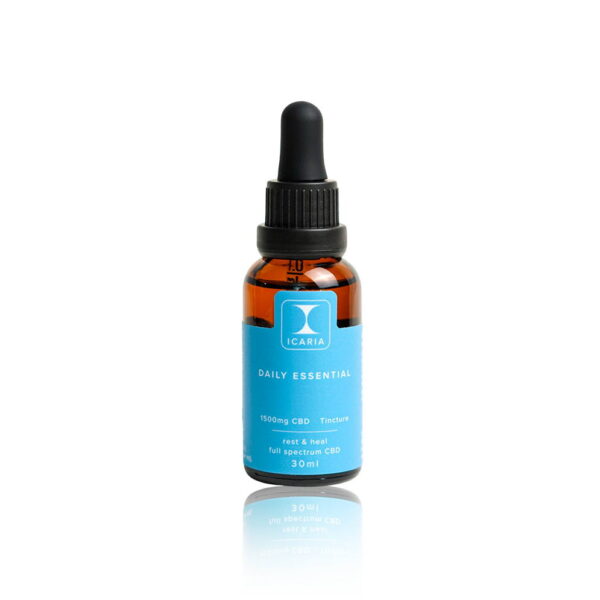
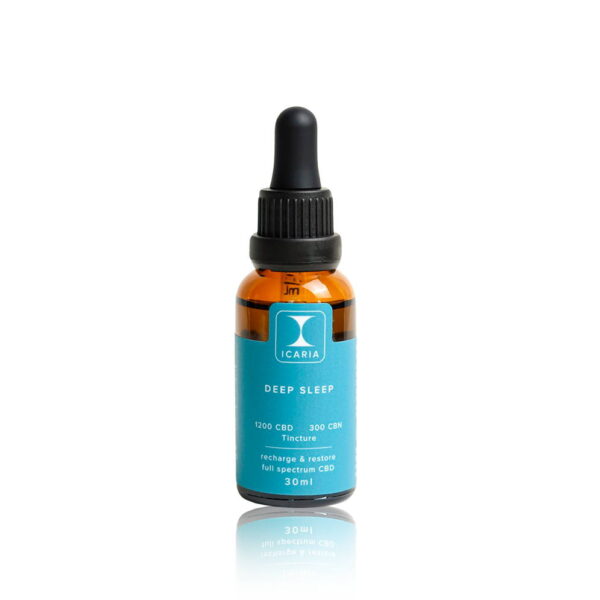
High-quality CBD oil is one option that some adults incorporate into their wellness rituals. Cannabidiol interacts with the body’s endocannabinoid system, a signalling system involved in maintaining homeostasis and regulating processes including stress responses, sleep, pain signalling, and immune function. Research into CBD’s specific effects is still developing, so it’s important not to think of it as something that can simply “reset” or regulate the body on its own. Instead, it can be approached as one potential piece of a much bigger wellness picture.
The same philosophy applies to any supplement: listen to your body, choose products thoughtfully, and remember that supplements are there to supplement the foundations—not replace them. Sometimes taking care of yourself means doing the basics really well, and sometimes it means giving those basics a little extra support.
Conclusion
If I could pack three things into your summer bag for you, I’d keep it simple: sunscreen for your skin, everyday wellness habits for your body, and a really good book for your mind.
Not because these three things can protect you from every difficult or uncomfortable part of summer, but because they represent something bigger. They’re reminders to think about yourself while you’re busy enjoying the season.
Put on the sunscreen before you head outside. Bring the water bottle. Eat something nourishing. Take the break. Read the book instead of answering the email that can absolutely wait until Monday.
Surviving summer through wellness doesn’t mean spending the season obsessing over your health. Quite the opposite. Taking care of yourself is what gives you more freedom to enjoy it.
Summer is short. Take care of yourself well enough to actually be there for it.