September has a reputation for being the month when we get our lives together.
Summer is ending, vacations are over, kids are going back to school, work starts picking up again, and suddenly every corner of the internet is telling us it’s time for a reset. New routine. New workout plan. Better sleep. Meal prep. More productivity. Maybe a new planner, because apparently the previous planner was the problem.
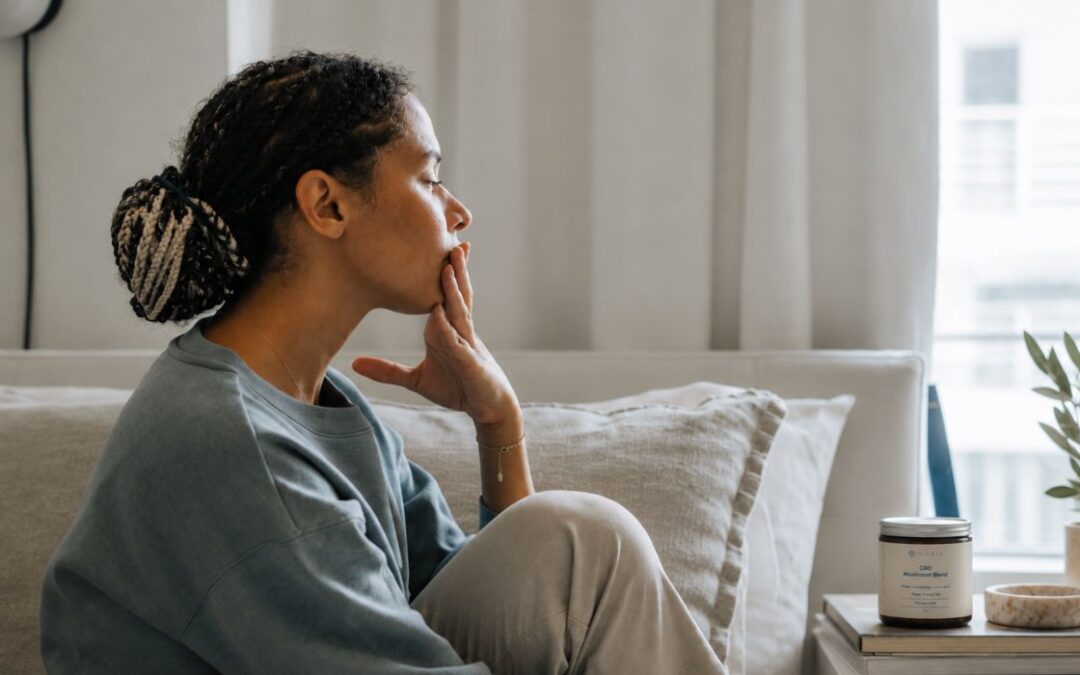
Except September doesn’t always feel like a fresh start. Sometimes it just feels… overwhelming.
There’s even an informal name for that feeling: September anxiety, sometimes called the “September scares” or “autumn anxiety.” It isn’t a medical diagnosis, and feeling a little unsettled when the season changes doesn’t mean there’s something wrong with you. It’s simply a useful way of describing the stress, sadness, pressure, or restlessness some people notice as summer ends and everyday responsibilities return.
And when you think about everything September asks us to adjust to at once, it makes sense.
This month at ICARIA, we’re approaching September differently. Instead of telling ourselves it’s time to “get back to routine,” we’re focusing on getting back to you. Because perhaps the transition doesn’t need to involve becoming more productive. Maybe it can simply be about rebuilding the parts of your routine that make you feel good.
Why September Can Feel So Overwhelming
September is a month of transitions, and transitions require adjustment—even when they’re positive.
During summer, many of our normal patterns become a little looser. We travel, go to bed later, eat at different times, spend weekends away, socialize more, and generally allow ourselves a little more spontaneity. Then September arrives and asks us to switch gears remarkably quickly.
Work becomes busier. School schedules return. Calendars fill up. Morning alarms move earlier. Traffic gets worse. If you’re a parent, you’re not only reorganizing your own routine but often someone else’s too. Suddenly, a Wednesday requires the logistical planning of a small military operation.
There’s an emotional element as well. September often feels like a second January, which can create pressure to evaluate where we are in the year. Those goals you set in January? There are only a few months left. That project you were going to start? Still waiting. And somehow we’re supposed to process all of this while also pretending we’re delighted that pumpkin-spice season has arrived.
Recent conversations around the “September scares” point to exactly this combination: uncertainty, changing routines, returning responsibilities, and sometimes regret that summer wasn’t everything we hoped it would be.
The important thing is not to turn an ordinary transition into another reason to judge yourself. Feeling unsettled doesn’t mean you’re bad at routines. It might simply mean you’re adjusting.
How the Seasonal Shift Can Affect Your Body and Mind
There’s also a physical transition happening in September that is easy to overlook: the light around us is changing.
Our bodies operate according to approximately 24-hour biological rhythms known as circadian rhythms. These influence sleep and wakefulness along with numerous physiological processes, and light is one of the most important environmental signals that helps synchronize our internal clock.
As summer ends in the Northern Hemisphere, daylight hours become progressively shorter. Research examining seasonality and brain function suggests that changing daylight can influence circadian timing and that our brains and bodies make biological adaptations as the seasons change.
That doesn’t mean shorter September days automatically make everyone anxious. Human responses to seasons vary considerably, and there’s an important difference between experiencing a temporary seasonal adjustment and having Seasonal Affective Disorder (SAD), which is a recognized form of depression characterized by a recurring seasonal pattern.
What September does give us is another reason to be patient with ourselves.
If your sleep schedule changed over the summer, your mornings suddenly start earlier, and your daily responsibilities increase at exactly the same time, it’s reasonable that your energy might need a little while to catch up.
Instead of immediately trying to “fix” yourself, pay attention to what your body is asking for. Maybe you need more consistency around sleep. Maybe you haven’t been eating regular meals since July. Maybe you need movement, quiet time, or one weekend that isn’t completely booked.
Sometimes the solution isn’t adding another wellness habit. It’s noticing what has been missing.
5 Ways to Make the September Transition Easier
The first thing I’d recommend is bringing back your routine gradually. Don’t choose one Monday to simultaneously restart the gym, overhaul your diet, wake up an hour earlier, stop using your phone, organize the house, and become a person who prepares overnight oats. Pick one or two anchors first. A consistent wake-up time, breakfast, an evening walk, or a bedtime routine can give your day structure without making your entire life feel like a self-improvement project.
Next, protect your sleep before you optimize anything else. Sleep and circadian rhythms are closely connected, and suddenly changing both your bedtime and wake time can make September mornings especially unpleasant. If summer pushed your schedule later, start creating a more consistent evening rhythm and give yourself enough time to adjust.
Third, get outside during daylight hours. Morning and daytime light are important signals for your circadian system, and spending time outdoors has the added advantage of getting you away from your desk and screens. You don’t need to turn it into another task. Drink your coffee outside, walk around the block at lunch, or take the long route home while there’s still evening light.
Fourth, create a transition between different parts of your day. We often go directly from work to family responsibilities, or from answering emails to lying in bed wondering why our brains won’t switch off. Give yourself ten minutes between roles. Change your clothes, take a shower, stretch, make tea, do your skincare, or simply sit somewhere quietly before moving into the next part of your evening. Think of it as punctuation for your day.
Finally, don’t be scared to get external support. Sometimes adjusting your routine, protecting your sleep, and creating more space for yourself simply aren’t enough. If feelings of anxiety or overwhelm are persistent or are starting to interfere with your everyday life, talking to a qualified mental health professional can give you a safe space to understand what you’re experiencing and find strategies that work for you. Online therapy services for anxiety can also make professional support more accessible, especially when fitting another appointment into an already busy September schedule feels overwhelming in itself.
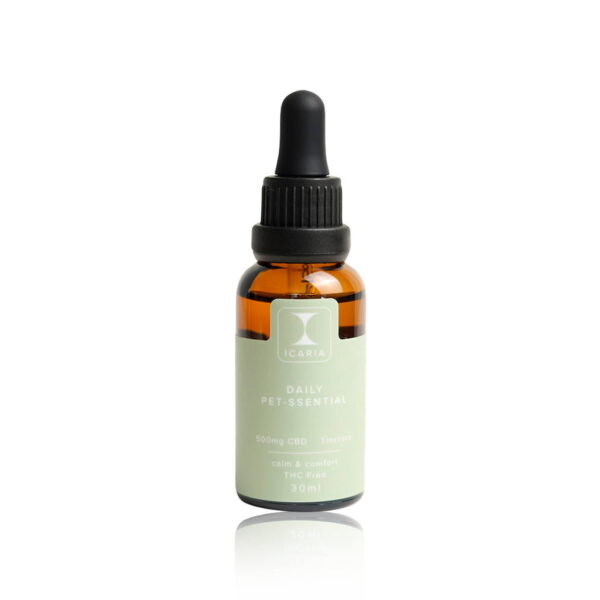
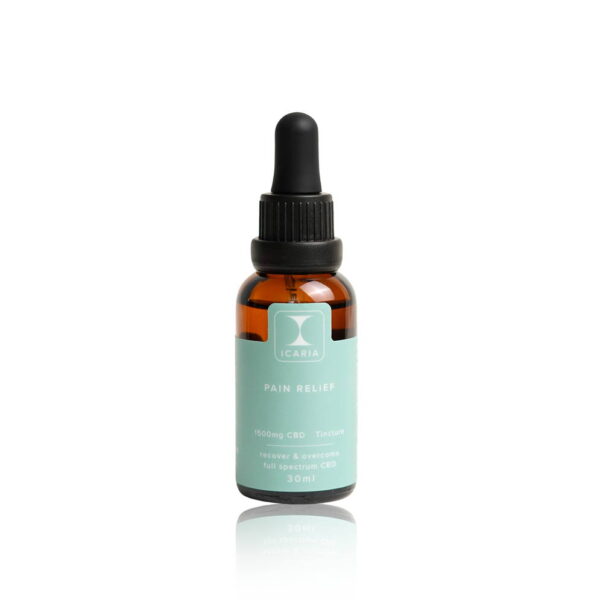
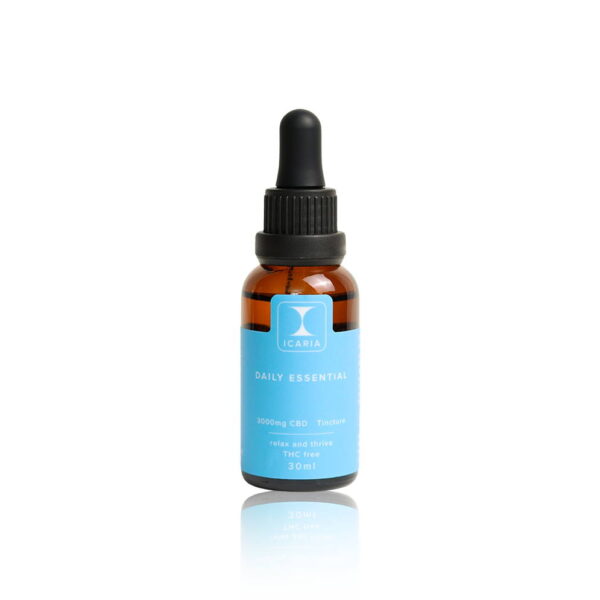
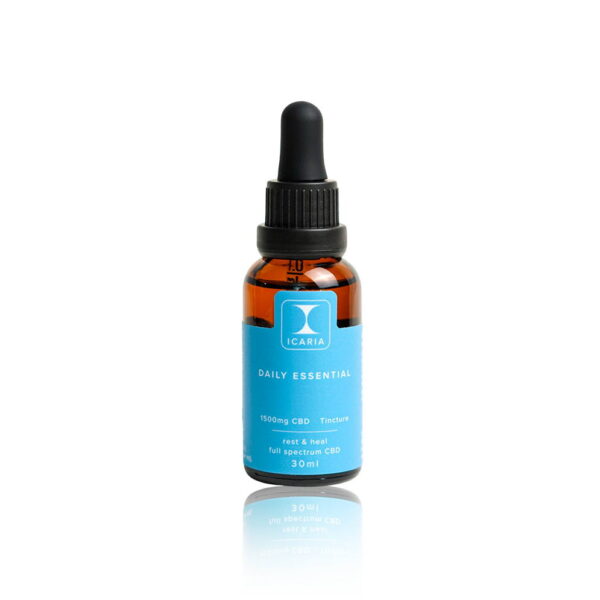
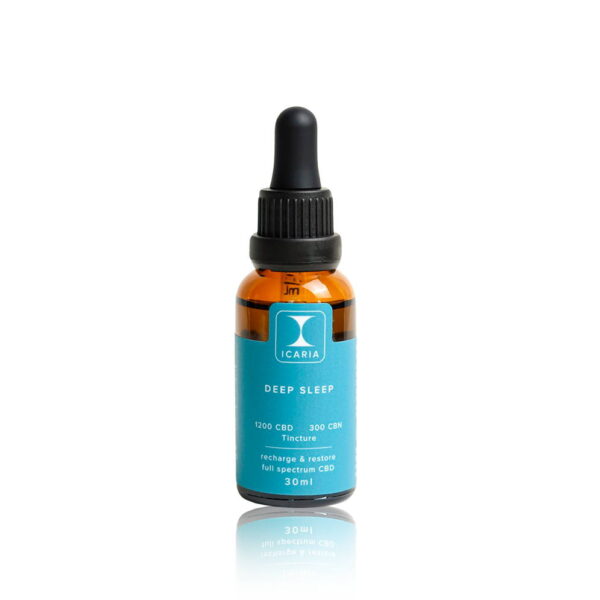
You might also be exploring effective natural supplements for anxiety relief, and this is where CBD oil often enters the wellness conversation. CBD, or cannabidiol, interacts with the body’s endocannabinoid system, which is involved in processes including stress responses, sleep, mood, and maintaining internal balance. Research into CBD and anxiety is promising but still developing, so CBD shouldn’t be presented as a replacement for therapy, medical care, or prescribed treatment. Instead, some adults choose to incorporate CBD oil into a broader wellness routine alongside habits such as consistent sleep, movement, mindfulness, and proper nutrition. If you’re considering CBD or another supplement—especially if you take medication—it’s a good idea to speak with a healthcare professional first, since CBD can interact with certain medicines.
Most importantly, getting support doesn’t mean you’ve failed at managing everything yourself. Wellness doesn’t have to be a solo project. Sometimes getting back to you means recognizing what you can handle alone, what deserves professional support, and where a thoughtfully chosen wellness tool might have a place in your routine.
Forget “Back to Routine”, Build a Routine That Comes Back to You
Here’s where I think September wellness culture gets things backwards.
We keep asking, “How do I get myself back into my routine?” when perhaps the better question is, “What parts of my routine actually help me feel like myself?”
Those aren’t necessarily the same thing.
A routine can look incredibly healthy on paper while making you miserable. You can wake up at 5 a.m., exercise every morning, eat perfectly, answer every email, maintain an immaculate house, and still feel exhausted because your routine was built entirely around what you can accomplish rather than how you want to live.
So this September, audit your routine before automatically bringing all of it back.
Keep the morning walk that clears your head. Bring back the bedtime that makes waking up easier. Keep your supplements or wellness rituals if they’re genuinely supportive and appropriate for you. Schedule the workout because movement makes you feel stronger—not because summer somehow created a body you now need to “fix.”
And leave some things behind.
You don’t need to return to answering emails after dinner. You don’t have to say yes every time someone asks for your time. You don’t need a twelve-step morning routine simply because someone online told you successful women have one.
Your routine should support your life, not consume it.
That’s what Back to You means. September isn’t an invitation to become a newer, better, more productive version of yourself. It’s an opportunity to notice what helps you feel grounded and deliberately make room for more of it.
Conclusion
If September feels heavier than you expected, give yourself some time.
You’re moving between seasons, schedules, expectations, and routines. Your environment is changing, your calendar is changing, and you may be asking your body and mind to adapt to several things at once.
You don’t need to solve all of that by next Monday.
Start small. Protect your sleep. Get outside. Bring back one routine that genuinely supports you. Leave a little space between work and home. Put rest somewhere on the calendar before everything else claims the space.
Most importantly, don’t let September convince you that you’ve fallen behind.
This isn’t about getting back to work, back to school, back on track, or back to the person you were before summer.
It’s about getting back to you.
Sources:
- Article on “Seasonal Affective Disorder” by the National Institute of Mental Health