September has a funny way of making us feel like we should suddenly have our lives together. And no, getting our lives together is not the same as having healthy habits. At least, not in the way society wants us to “get our lives together” nowadays.
Summer ends, calendars fill up, work gets busier, routines return, and before we know it, we’re making mental lists of everything we should be doing better. Exercise more. Sleep earlier. Eat healthier. Be more organized. Spend less time on our phones. Somehow meditate every morning while maintaining a spotless kitchen.
But here’s something worth remembering: a healthy routine isn’t supposed to make your life feel harder.
The best healthy habits are usually the small ones that quietly make everyday life feel a little easier. They help protect your time, energy, sleep, mental space, and ultimately, your peace.
And “protecting your peace” doesn’t mean avoiding everything stressful or creating a life where nothing ever bothers you. Real life doesn’t work that way. It’s about being more intentional about what gets access to your attention and energy—and making sure some of that energy remains available for you.
So, in the spirit of our September Back to You philosophy, forget about completely reinventing yourself. These seven healthy habits are about creating a calmer life one small, realistic change at a time.
Why Healthy Habits Matter More Than a Perfect Routine
We tend to think about habits individually: going for a walk, drinking water, putting our phones away, taking our supplements, going to bed earlier. But habits become especially powerful because they reduce how much conscious effort everyday behaviours require.
Researchers studying habit formation describe habits as behaviours that can become increasingly automatic when they’re repeated consistently in similar contexts. In other words, eventually you don’t need an internal motivational speech every time you do them. They’re simply part of what you do.
That’s why the goal isn’t to create the most impressive routine possible. It’s to make supportive behaviours easier to repeat.
And despite the popular claim that it takes 21 days to build a habit, research suggests there’s no universal timeline. A 2024 systematic review of health-related habit formation found considerable variation between people and behaviours, with some habits developing relatively quickly and others taking several months.
So if you’ve ever abandoned a 21-day challenge because the behaviour still didn’t feel effortless on day 22, you weren’t necessarily doing anything wrong.
Building healthy habits is less about intensity and more about consistency.
Which brings us to the habits actually worth keeping.
7 Healthy Habits to Protect Your Peace
1. Create Healthy Morning Habits Before You Check Your Phone
You don’t need a two-hour morning routine involving journaling, Pilates, celery juice and watching the sunrise.
Start with ten minutes.
One of the simplest healthy morning habits is creating a small buffer between waking up and allowing the outside world access to your attention. Open the curtains. Drink some water. Shower. Stretch. Make coffee. Eat breakfast.
Then check your phone.
This isn’t about pretending technology is terrible. It’s about deciding that notifications, emails and other people’s lives don’t necessarily deserve the first moments of yours.
2. Protect Your Sleep Like It’s Actually Part of Your Routine
Sleep often becomes whatever happens after we’ve finished everything else.
Work ran late? Sleep less. Went out for dinner? Sleep less. Started watching a series? Definitely sleep less.
Except sleep isn’t leftover time. Adults generally need at least seven hours of sleep per night, according to public-health guidance, and getting sufficient sleep supports physical and mental health.
Try creating a simple evening cue that tells your brain the busy part of the day is ending. Dim the lights, put work away, do your skincare, read, or make tea. It doesn’t need to be aesthetically pleasing enough for TikTok. It just needs to happen consistently enough that your evening has an ending.
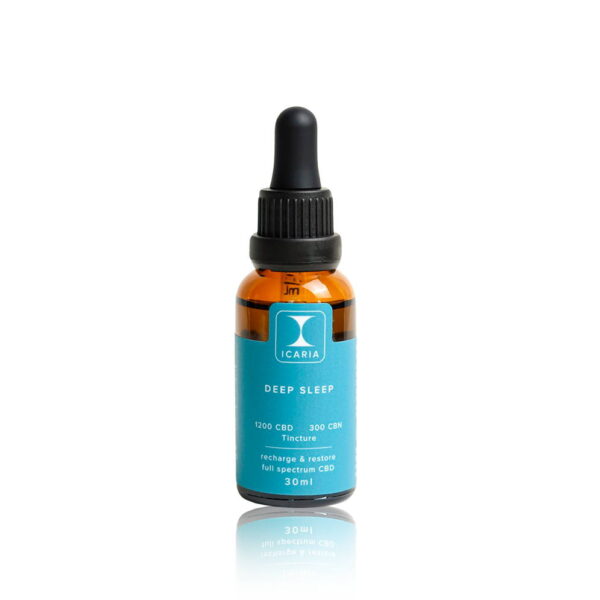
For a premium natural sleep aid that actually works – click here.
3. Move Your Body in a Way You’ll Actually Repeat
If the workout routine you’ve created requires enormous amounts of motivation every single time, it probably won’t become much of a habit.
Movement doesn’t have to mean an hour at the gym.
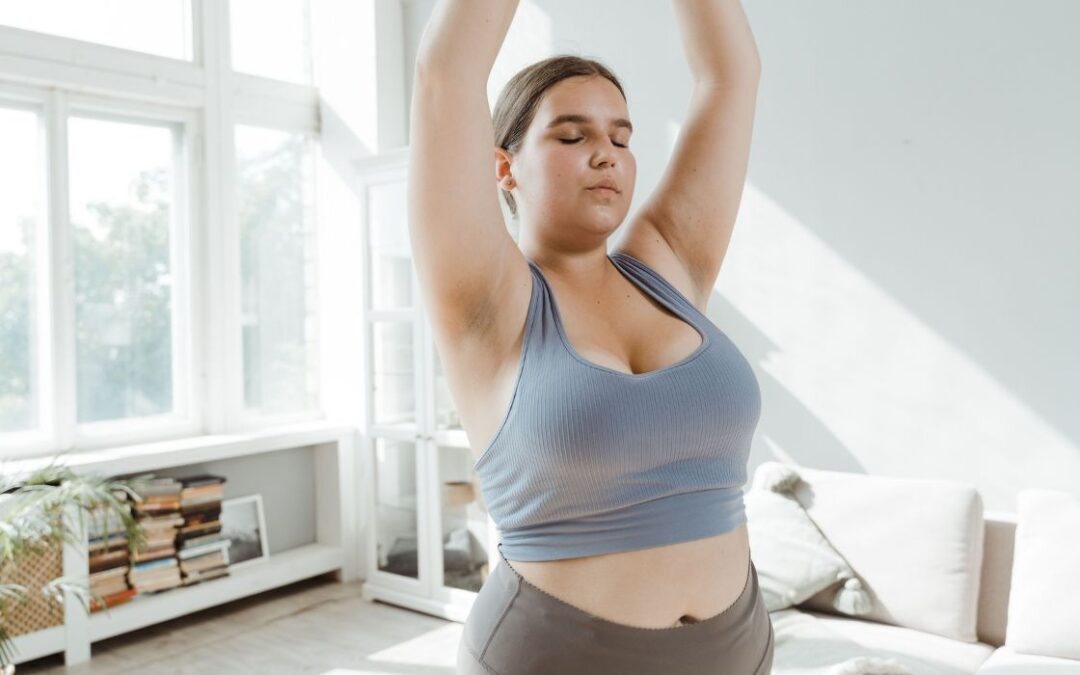
Walk during your lunch break. Take a yoga class you actually enjoy. Go swimming. Cycle somewhere instead of driving. Do twenty minutes of movement at home.
Regular physical activity is associated with benefits for both physical and mental health. But instead of asking which exercise burns the most calories or looks most impressive, ask yourself a more useful question:
What kind of movement could I realistically keep doing?
Consistency beats the perfect workout you stop doing after three weeks.
4. Pause Before Automatically Saying Yes
Here’s a healthy habit that doesn’t involve food, fitness, supplements or sleep: stop answering every request immediately.
If someone asks you to do something, try saying, “Let me check and get back to you.”
That tiny sentence creates space.
Do I have time? Do I actually want to do this? What will I have to move or sacrifice if I say yes?
Healthy boundaries aren’t always dramatic conversations. Sometimes they’re simply giving yourself enough time to make a conscious decision instead of automatically prioritizing someone else’s needs.
5. Create a Ten-Minute Transition Between Work and Home
Modern life isn’t particularly good at transitions.
You close your laptop at 5:30 and you’re answering a family message at 5:31, cooking dinner at 5:35 and thinking about tomorrow’s meeting at 5:42.
Give yourself ten minutes.
Change your clothes. Wash your face. Walk around the block. Stretch. Make tea. Put on music. Sit quietly if that’s what you need.
The activity matters less than the ritual itself. You’re creating a small boundary that says: work is finished; the rest of my life starts here.
Some days, ten minutes is all you need to feel a little more like yourself again.
6. Be More Selective About What Gets Your Attention
Your attention is not an unlimited resource.
Yet we often behave as though every notification, headline, group chat, email, social-media post, and internet argument deserves immediate access to it.
It doesn’t.
Turn off notifications you don’t need. Put your phone somewhere else while you’re eating. Mute the group chat for an afternoon. Unfollow accounts that consistently make you feel worse (the @icaria.co IG account is full of useful health and wellness tips waiting for you!). Decide when you’re available for work messages instead of being permanently reachable.
Protecting your peace isn’t about ignoring the world. It’s about remembering that you get some say in how much of the world enters your head every hour.
7. Build One Wellness Ritual That’s Just for You
Finally, have one habit that isn’t about productivity.
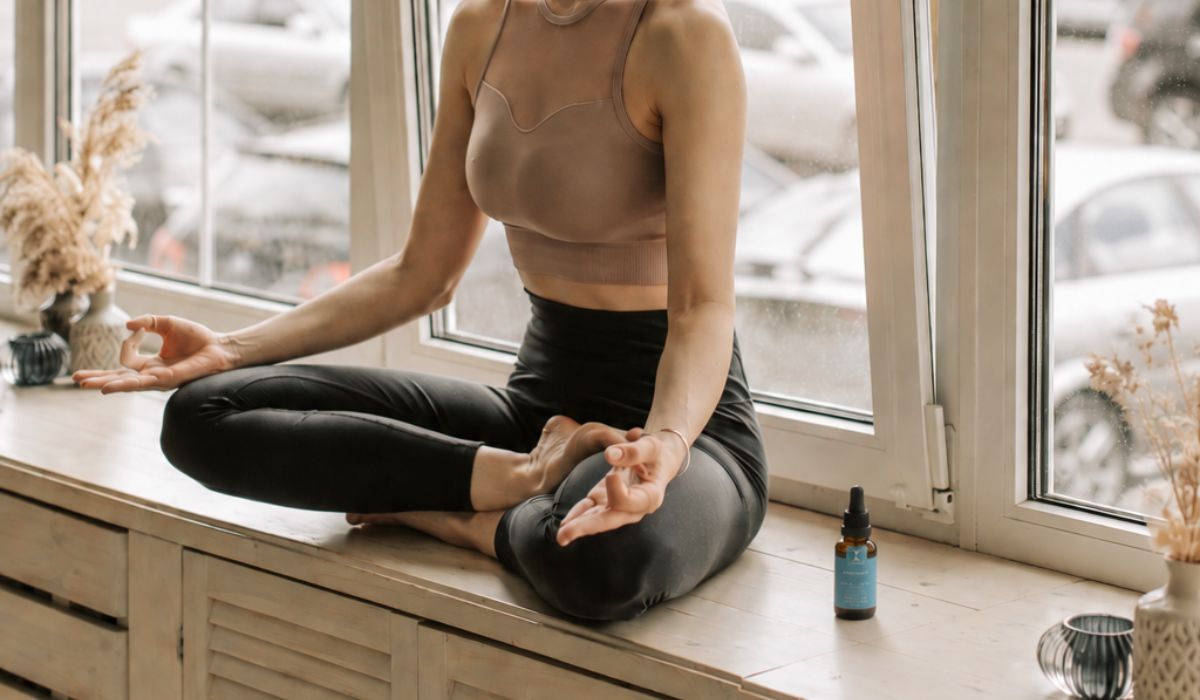
Maybe it’s reading before bed, taking a bath, doing your skincare slowly, journaling, meditating, going for an evening walk, or sitting down with your morning coffee without doing anything else at the same time.
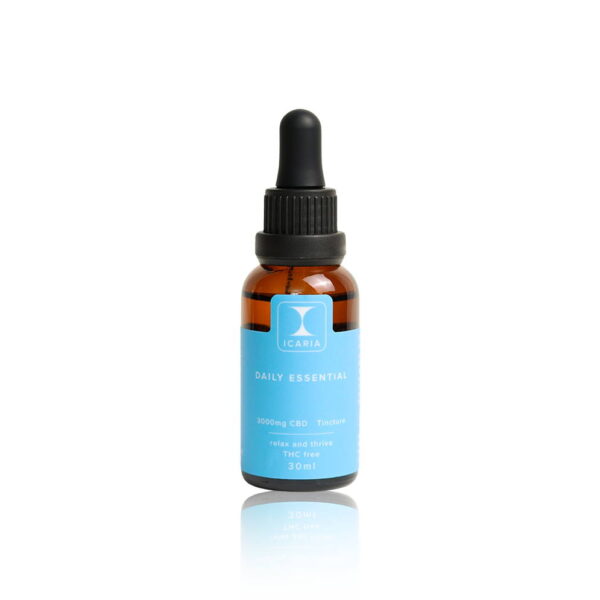
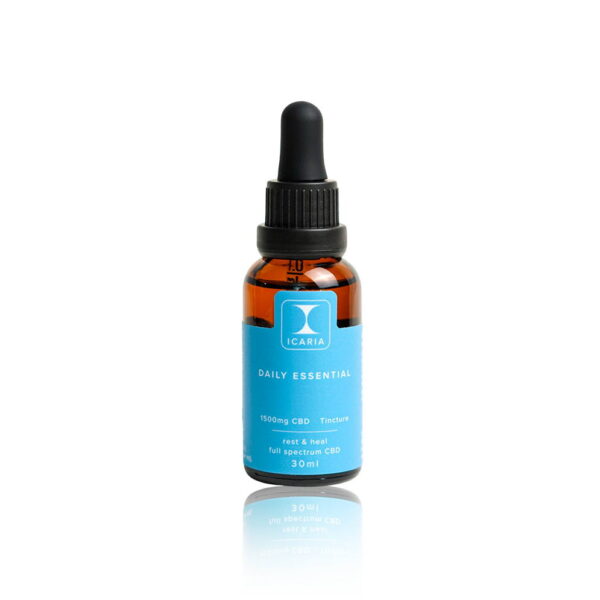
It could also be an established supplement or wellness ritual that you and an appropriate healthcare professional have decided fits your needs. The point isn’t finding one magical product or habit that “regulates” everything. It’s creating a small, intentional moment of care within a larger foundation of sleep, movement, nourishment, relationships and recovery.
Not everything you do needs to make you more productive.
Sometimes a healthy habit can exist simply because it helps you feel cared for.
How to Start a New Healthy Habit (and Actually Keep It)
Knowing which healthy habits could help is one thing. Actually sticking to them on a random Wednesday three months from now is another.
If you’re wondering how to start a new healthy habit effectively, start smaller than you think you need to.
Instead of deciding you’re going to meditate for thirty minutes every morning, start with five. Instead of promising yourself you’ll exercise six days a week, decide which two days realistically work. Instead of banning your phone for the entire evening, start by leaving it somewhere else during dinner.
Then attach the new behaviour to something that already happens.
After I make coffee, I’ll take my supplements. When I close my laptop, I’ll walk for ten minutes. After I brush my teeth, I’ll read instead of scrolling.
Researchers studying habit formation have consistently highlighted repetition and context as important elements in developing automatic behaviours. Creating a recognizable cue makes the new behaviour easier to remember and repeat.
And please expect imperfect weeks.
You will miss the walk. You’ll stay up late. You’ll spend forty minutes scrolling when you intended to read. You’ll say yes when you meant to think about it first.
Missing something once doesn’t erase the habit.
The goal is not perfection. The goal is making it easy to come back.
Your Healthy Habits Should Bring You Back to You
This is where September’s obsession with routines can get things wrong.
A routine can look incredibly healthy from the outside while leaving you exhausted.
You can wake up early, exercise every morning, eat perfectly, maintain a beautiful home, answer every email, take every supplement and still have absolutely no energy left for yourself.
That’s not the goal.
Your healthy habits should support the life you actually want to live. They should make mornings a little easier, evenings a little quieter, boundaries a little clearer and your energy a little more protected.
Some habits will help your body. Some will support your mental wellbeing. Some will simply remind you that you’re allowed to have parts of your day that aren’t dedicated to accomplishing something for somebody else.
And as your life changes, your habits can change too.
You don’t owe a routine lifelong loyalty simply because it used to work for you.
That’s the whole idea behind Back to You. September isn’t about returning to the woman you were before summer or becoming the woman you think you’re supposed to be.
It’s about asking what you need now.
Conclusion
If you want a calmer life, don’t start by trying to change your entire life.
Choose one healthy habit.
Give yourself ten phone-free minutes in the morning. Protect your bedtime. Find movement you genuinely enjoy. Pause before saying yes. Create a transition after work. Be selective with your attention. Keep one little wellness ritual that’s entirely yours.
Then repeat it.
Once that habit feels comfortable, maybe you add another.
Because learning how to protect your peace isn’t about becoming someone who never gets stressed, overwhelmed or irritated. It’s about building small habits that give you somewhere to come back to when life inevitably gets busy.
September will ask plenty from you.
Your routine should make sure you’re giving something back to yourself, too.
Sources: